Counselling and Psychotherapy in Chester, Cheshire

My name is Annie Wright and I offer confidential, one-to-one counselling with a professional and considered approach, without pressure or expectation. I work with you to move forward in a way that feels manageable and realistic.

I have a particular interest in supporting hormonal mental health, including PMDD.

Sessions are available face-to-face in Chester or online across the UK.

GET IN TOUCH LEARN MORE

“I believe meaningful therapy happens when people feel safe enough to explore their experiences at their own pace, with steady support alongside them.”

MEET ANNIE

Qualified and experienced counsellor and psychotherapist

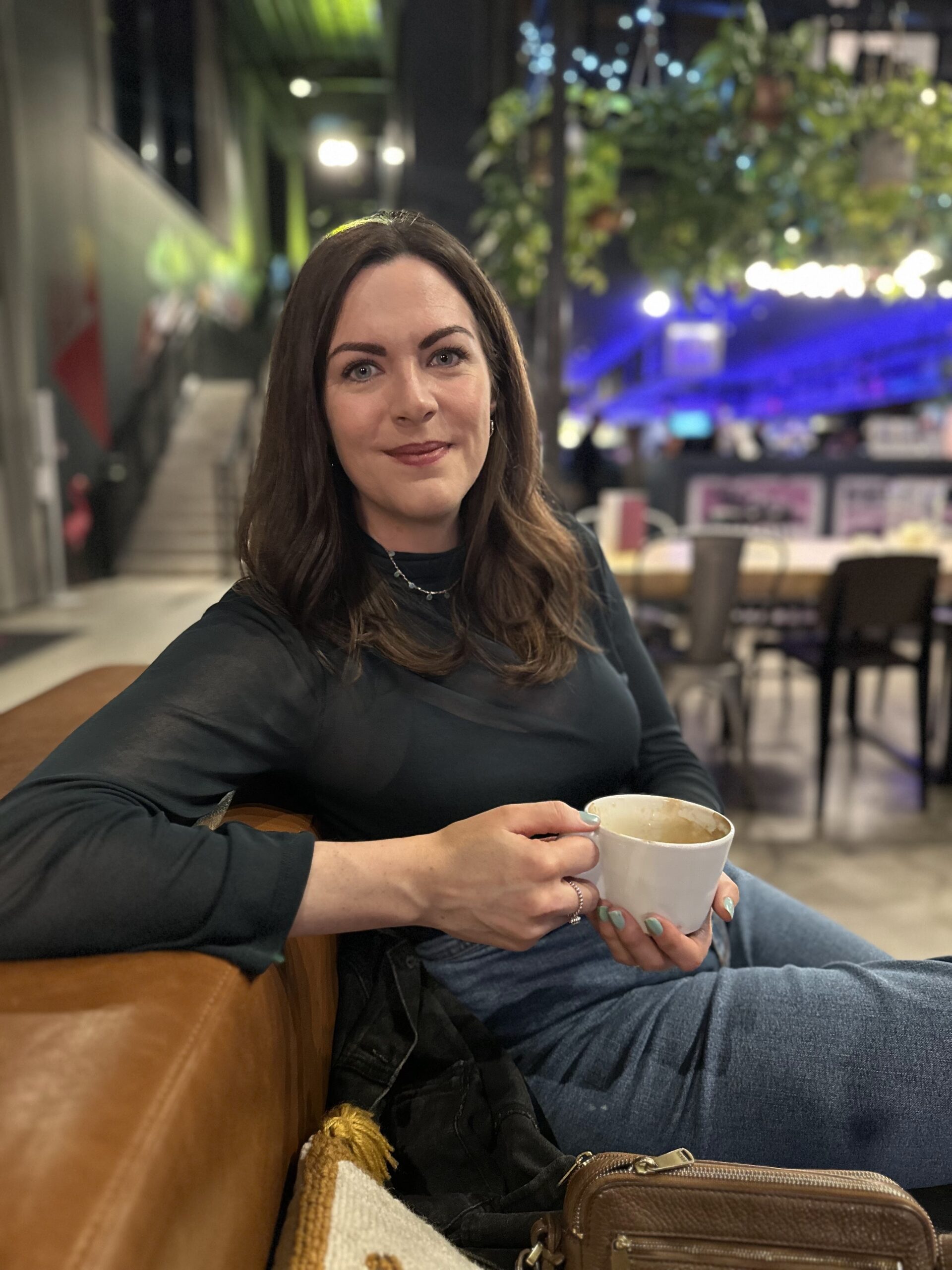
I’m Annie, a fully qualified counsellor and psychotherapist with a Masters degree (MA) in Clinical Counselling and a BA (Hons) in Sociology.

My work focuses on offering a space where you can think, reflect, and speak openly, without being rushed or judged. At the heart of my approach is a genuine interest in who you are, how your experiences have shaped you, and what feels difficult right now.

I work with adults and have experience in a variety of settings, including private practise, within GP surgeries, counselling agencies and charities. My approach is trauma-informed and person-centred, with an interactive and reflective style.

As a registered member of the British Association for Counselling & Psychotherapy (BACP), I adhere to their high standards of training, experience, ethics, and professional conduct. Additionally, I hold an enhanced DBS Certificate and I am registered with the Information Commissioner’s Office (ICO).

QUALIFICATIONS & ADDITIONAL TRAINING

MA Clinical CounsellingBA (Hons) SociologyLevel 2 Counselling SkillsACT – Application in Clinical PracticeTrauma-Informed Care Certificate (NAPAC, CPD)

AREAS OF WORK

I place your unique experiences at the heart of our sessions.

The foundation of my approach is person-centred, meaning your experiences and needs guide our work together. My training and experience allows me to draw from a variety of therapeutic approaches where appropriate, including Acceptance and Commitment Therapy (ACT) and trauma-informed practice. These are used thoughtfully and collaboratively, always guided by what feels most supportive and relevant for you.

People come to therapy for many different reasons. You may be experiencing one clear difficulty, or a mix of things that feel hard to untangle. I commonly work with:

Hormonal mental health and PMDD

I work with clients experiencing mood changes linked to their menstrual cycle, including PMDD. This can include intense shifts in mood, anxiety, irritability, or feeling unlike yourself before your period.

GET IN TOUCH

Anxiety and
emotional overwhelm

Anxiety and overwhelm can feel consuming, making everyday tasks heavier and harder to manage. Counselling offers space to slow down, understand patterns, and develop steadier ways of responding.

GET IN TOUCH

Depression and
low mood

Low mood can affect motivation, energy, and how you see yourself and the future. Therapy offers space to explore what may be contributing, and to move gradually towards greater steadiness and self-understanding.

GET IN TOUCH

Life
transitions

Life transitions such as parenthood, career shifts, or relocation can unsettle routines and expectations. Therapy helps you make sense of change, clarify values, and navigate decisions with greater confidence.

GET IN TOUCH

Grief
and loss

Grief can reshape daily life, touching meaning, identity, and relationships. Therapy provides space to honour loss, process emotions, and adjust gently to change.

GET IN TOUCH

Anger
and shame

Anger and shame can feel isolating, yet deeply human. Counselling offers a safe space to explore their origins, reduce self-criticism, and build healthier ways of relating to yourself and others.

GET IN TOUCH

Trauma and
adverse experiences

Past experiences can continue to shape how you feel, think, and relate in the present. Therapy offers a steady and contained space to understand these patterns and work towards greater stability and self-trust.

GET IN TOUCH

Neurodiversity-related
support

I work with adults who identify as neurodivergent, including those exploring or adjusting to a later diagnosis. Therapy offers understanding of masking, sensory overwhelm, and burnout, alongside practical strategies to support you.

GET IN TOUCH

HOW TO GET STARTED

Beginning counselling can feel uncertain, here’s how we can get started.

Beginning counselling can feel overwhelming, so it helps to know what the first steps involve and what you can expect as things move forward.

1

Get in touch

Send a brief message using the contact form or by email. You do not need to have everything worked out. A few lines about what has brought you here is enough to begin.

2

Optional introductory call

If you would find it helpful, we can arrange a free 15 minute introductory call. You are also welcome to book a first session directly if that feels easier.

3

Your first session

In our first session, we will explore what has brought you to counselling and agree how we will work together. From there, sessions are shaped around what feels most helpful for you.

Frequently Asked Questions

Finding the right therapist is an important part of the process, and it is not always something you can know for certain in advance.

You may get an initial sense from my website, or from a brief telephone conversation if you choose to have one. Often, it becomes clearer in the first session, as you experience how it feels to talk together and whether the way I work feels supportive for you.

A good therapeutic relationship is one where you feel listened to, respected, and able to speak openly. If at any point it does not feel like the right fit, you are free to raise this or to end sessions. We can also talk about other options if that feels helpful.

Counselling and psychotherapy are both forms of talking therapy that offer a confidential space to explore thoughts, feelings, and experiences with a trained professional.

The terms are often used interchangeably. Broadly speaking, counselling may focus more on current difficulties, while psychotherapy may involve exploring longer-standing patterns or past experiences. In practice, the work is shaped by your needs rather than the label.

Therapy is not about being given advice or told what to do. It is a collaborative process, paced carefully, and guided by what feels most helpful for you.

I offer both face-to-face and online counselling.

Face-to-face sessions take place on Mondays between 8am and 2pm in Chester city centre. I currently have a waiting list for face-to-face appointments. If this is your preference, you are welcome to be added to the waiting list.

Online sessions are available on Tuesdays, Wednesdays, and Thursdays, with appointments running between 9am and 2pm.

Sessions cost £55 per session.

For face-to-face sessions, payment can be made in person after the session by card or cash.
For online sessions, payment is required in advance and a payment link will be provided.

The first session is an opportunity for us to meet and begin to explore what has brought you to counselling. We will talk about what you are hoping for from therapy and whether working together feels like a good fit.

We will also cover practicalities, which will be outlined and agreed in our therapy contract. For online work, the agreement will be emailed in advance for you to read before the session. There is no pressure to share anything before you feel ready.

An initial telephone consultation is optional. Some people appreciate the opportunity to ask questions or get a sense of how it feels to speak with me before booking. Others find it more helpful to begin with a first session.

If a brief call feels difficult or like an extra step, that is completely fine. You are welcome to book an initial session instead, and we can take things from there at a pace that feels manageable.

Each session lasts approximately 50 minutes.

There is no fixed length of time for counselling. Some people attend for a short period, while others choose to work longer term. We can review this together and check in regularly about what feels most helpful for you.

You are free to end sessions at any time.

Confidentiality is a central part of my work. What you share in sessions is treated with care and respect and will not be shared without your consent, except in rare circumstances where there is a serious risk of harm, in line with ethical and legal requirements.

These limits to confidentiality will be explained clearly as part of our agreement.

I am not an emergency service. If you are in immediate danger or feel unable to keep yourself safe, please contact your GP, NHS 111, or emergency services by calling 999.

If you need immediate emotional support, organisations such as Samaritans are available 24 hours a day.

You can get in touch using the contact form or by email. I aim to respond within 24 hours during working days with information about availability and next steps.